Now that we have a fundamental understanding of sensor taps, let's juxtapose them with manual or press taps. While sensor taps offer numerous advantages, the significance of each feature may vary based on individual expectations and requirements.
These features are categorized into three groups: drawbacks, neutral aspects, and benefits.
Sensor Taps: The Advantages

Automatic taps contribute to sustainability in two significant ways:
1. Water Conservation: Conserving water is crucial for sustainable living. Electronic taps are designed with features such as a low flow rate and an aerator at the spout, as well as materials that prevent leakage. Compared to traditional basin taps, which can dispense between 10 to 15 litres per hour, sensor taps are far more efficient. Even a dripping tap can lose between 300 ml to 1 litre of water per hour. By installing sensor taps, like those found in small offices, one can save a substantial amount of water annually. For instance, a sensor tap in a small office could save 778.60 litres per year,, equivalent to 155 full baths.
2. Long-term Energy Savings: While there is an initial cost associated with installing sensor taps, whether they are hardwired or battery-powered, they can lead to significant energy savings in the long run. Sensor taps can help minimize energy consumption by ensuring precise water flow and temperature control. Automatic basin taps that maintain a constant temperature, whether cold/warm or pre-mixed, are particularly beneficial for commercial washrooms. Additionally, thermostatic taps are more energy-efficient than traditional mixer lever taps. These settings become even more eco-friendly when coupled with the use of renewable energy sources and additional restrictions such as aerators, flow limiters, and pressure reducing valves. Sensor taps are thus a wise choice for those looking to transition from traditional basin taps to more sustainable alternatives.
Enhancing water and energy efficiency can significantly reduce the overall household bills. On average, a British household consumes approximately 360 litres of water daily. By installing Sensor taps installed in the kitchen and bathroom, water consumption can be reduced by a substantial 30% to 50%.
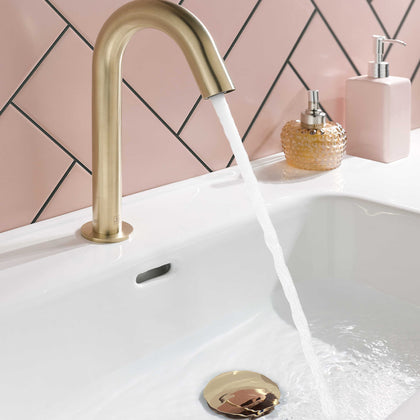
Conducting a water audit is a valuable step in understanding your home's water usage patterns and identifying areas for improvement. Utilizing tools such as water calculators can aid in gauging your household's water expenditure accurately.
One of the advantages of motion sensor taps lies in their preset flow rates, eliminating the need for constant adjustment. This feature streamlines the process, ensuring consistent water flow for routine tasks without the hassle of manual adjustments.
Moreover, preset flow rates contribute to maintaining a cleaner bathroom environment. With splashes during activation minimized, the risk of sink overflow is virtually eliminated. Additionally, the self-closing mechanism prevents prolonged water flow, enhancing water conservation efforts.
The touch-free operation of sensor taps offers added hygiene benefits, particularly in sanitary facilities. Users no longer need to touch potentially contaminated handles or levers, reducing the risk of cross-contamination. For environments with strict hygiene standards, some suppliers even offer disposable spouts designed specifically for sensor taps, further ensuring cleanliness, particularly in healthcare settings.
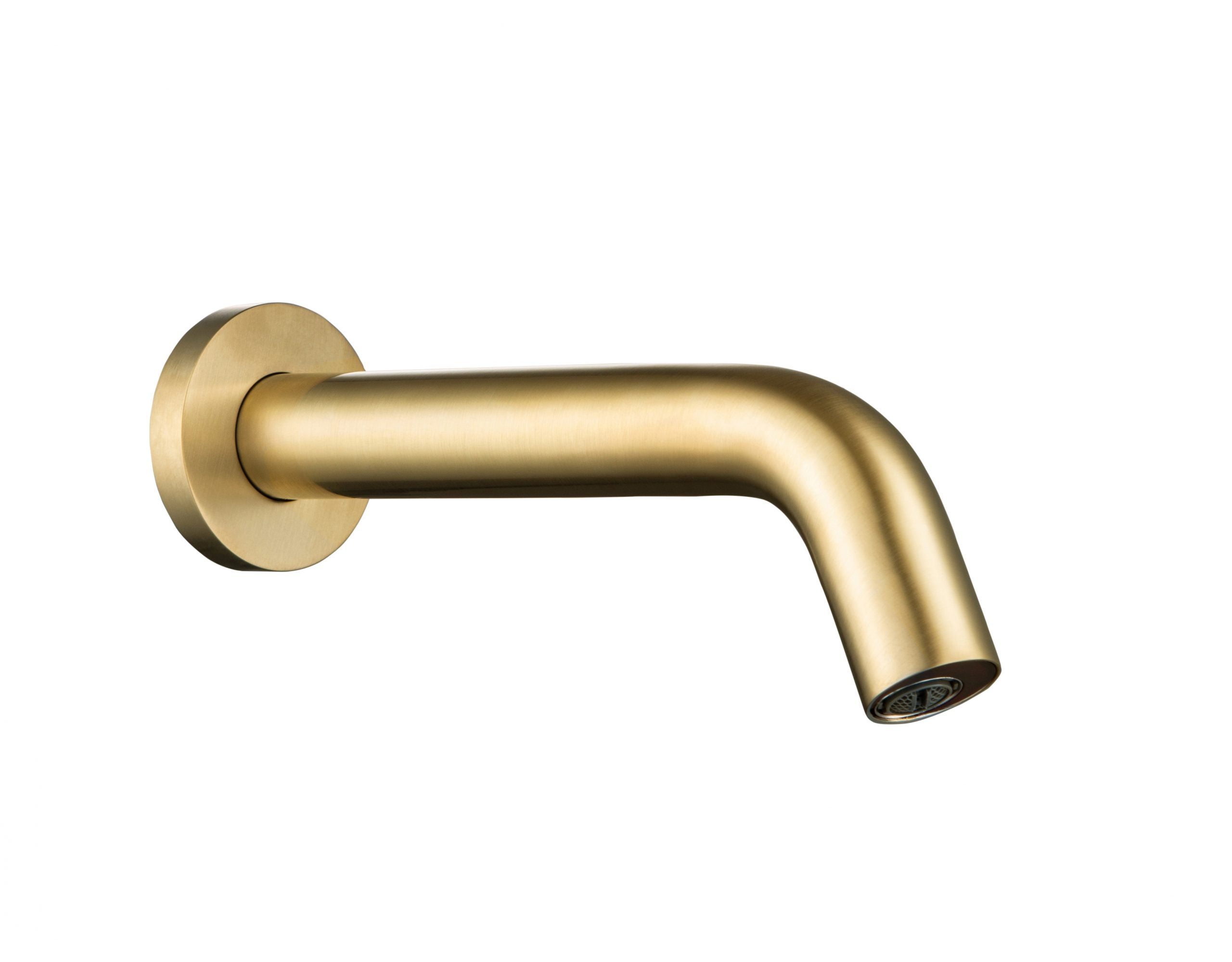
Sensor taps are equipped with solenoid valves encased in protective plastic, shielding them from corrosion damage. Unlike traditional press taps, the operation of electronic valves in sensor taps remains unaffected by fluctuations in water pressure. In instances where water pressure drops, there's no risk of the taps being left inadvertently open, which can occur with multiple non-concussive taps being activated simultaneously.
Sensor taps have neutral features
One such feature is the clear indication of the motion sensor tap presence on the tap. This ensures that users are aware of the tap's operation mechanism, enhancing user experience.
Additionally, regular maintenance is required for tap filters, including those within sensor tap systems. It's essential to clean these filters before using an electronic tap and after any disruptions in water supply to ensure optimal performance.
Another neutral aspect is that smart taps rely on electricity and therefore will eventually require battery replacement. Most models come equipped with LED warnings to indicate when battery replacement is necessary, providing users with timely alerts. While various battery options are available, they typically offer a minimum one-year lifespan.
Sensor taps have their disadvantages
While touchless tapware can be more cost-effective in the long run, especially for commercial washrooms, they often require a higher initial investment compared to traditional taps. The price range can vary widely, but it's essential to remember that quality typically correlates with price. Additionally, modifying default settings may require remote control, which adds to the initial setup complexity. However, it's worth noting that one remote control can be used to adjust multiple compatible automatic taps, providing convenience and flexibility.
One drawback is that sensor taps rely on a consistent water and electricity supply to function properly. If there's a cut in either supply, the taps won't work. This can be particularly problematic in commercial settings where power outages may occur frequently. Additionally, the use of infrared detectors for hands-free tapping may encounter issues with very bright colors and reflective surfaces. Installers must carefully follow manufacturer's mounting instructions to avoid problems with mirrors or polished chrome finishes on the tap sensor or other built-in sensors. Despite careful installation, sensor taps may still experience occasional activation errors.
It's important to consider that automatic taps can be inadvertently activated by household pets if installed in a residential setting. For example, a curious cat walking across the basin countertop where the sensor tap is located could lead to unintended water waste and potential damage. To mitigate this risk, e-taps typically come with a default limit for opening, usually ranging from 1 to 2 minutes. This feature helps prevent issues like vandalism, accidental activation, or prolonged water flow.
While touch-free taps effectively prevent cross-contamination, it's worth noting that certain materials and designs within the internal circuit, such as rubber in solenoid valve diaphragms, may promote bacterial growth over time. To address this concern, regular flushing of the sensor tap components and thorough cleanings are recommended as part of routine maintenance.
In terms of durability and maintenance, smart taps offer simplicity compared to traditional faucets, as they have fewer parts that may require replacement. In the event of a malfunction, it's often more feasible to replace the entire unit rather than individual components. Additionally, sensor taps typically come with a long warranty period, providing added peace of mind to users.
Selecting the right Sensor Tap

Electronic taps offer numerous advantages, including environmental friendliness, long-term cost-effectiveness, consistent water flow, and accessibility for all users. However, it's important to weigh these benefits against the potential drawbacks and specific factors, such as the level of restroom traffic and the availability of power outlets in your facility.
Before aking a decision, it's advisable to thoroughly research the various options available in the automatic tap market. Pay close attention to specifications such as power supply requirements and compatibility with different water pressure levels. By conducting a comprehensive review of these factors, you can make an informed choice that best suits your needs and circumstances.

While we explore the benefits of sensor taps, it's also worth considering other types of kitchen taps, such as pull-out kitchen taps. Check out this insightful article on 'Are Pull-Out Kitchen Taps Any Good?' to learn more about their functionality and advantages.
I found this information useful on Are Pull-Out Kitchen Taps Any Good? blog
- Functionality: Pull-Out Taps Offer A Blend Of Style And Practicality, Transforming A Regular Tap Into A Versatile Kitchen Tool.
- Flexibility: The Extendable Hose Makes Tasks Like Filling Pots And Cleaning More Efficient, Reaching Areas A Fixed Tap Cannot.
- Design: Available In Various Styles And Finishes, Pull-Out Taps Fit Well With Both Modern And Traditional Kitchen Decors.
- User-Friendly: Ergonomically Designed, Suitable For Users Of All Ages, With Features Like Dual Spray Options For Different Kitchen Activities.
- Eco-Friendly: Often Includes Water-Efficient Mechanisms And Easy-To-Clean Nozzles.
No comments:
Post a Comment